Medical Device Machining from Vietnam
Precision components for surgical, orthopedic, dental and diagnostic devices. Send one RFQ and we match it to vetted CNC shops in southern Vietnam that machine Ti-6Al-4V, SS 316L and PEEK on 5-axis to ±0.005 mm, with full mill traceability. Response within 24 business hours.

Why medical OEMs route machining through this service
Medical components are unforgiving: the wrong burr, the wrong supplier or the wrong paperwork can hold up a regulatory submission. We review every drawing, match it to a Vietnamese shop whose equipment, material sourcing and inspection fit the part, and keep the documentation trail intact from bar stock to shipment.
Built for regulated work
Documented FAI per part number, lot traceability to raw material heat number, PPAP Level 3 on request, and customer audits of the matched shop welcomed.
Quality & documentationMaterials that belong in a body
Titanium Grade 5 with ASTM F136 documentation, electropolished 316L stainless and medical-grade PEEK, supplied with mill certs traceable from heat number to finished lot.
Material listTolerances where they matter
5-axis machining to ±0.005 mm linear, H6 bore, h5 shaft, IT5 grade. GD&T including profile, runout and concentricity verified on CMM with reports per shipment.
Tolerance tableYou keep regulatory ownership
The device maker owns design controls, validation, biocompatibility, sterilization and every submission to FDA, notified bodies or PMDA. The shop makes parts to your drawing and quality agreement; we source, coordinate and check paperwork. No FDA registration, ISO 13485 certificate or cleanroom is claimed on this site.
From drawing to first article in four steps
Most medical RFQs sit in a queue waiting for a quote. The workflow below targets a first response within 24 business hours and a 2 to 3 week prototype lead time including FAI, so engineering teams can iterate without losing a sprint.
NDA & drawing review
Mutual NDA signed before any file is opened, on request. STEP, PDF and DWG drawings reviewed against the capability of each shop; DFM feedback returned with the quote at no charge.
Response in 24 hours
First response within 24 business hours: matched shop, itemized pricing, lead time, material certificate list and inspection plan. No tooling charge for prototype quantities in most cases.
Prototype + FAI
1-10 piece prototypes machined on 5-axis with a full First Article Inspection report. CMM verification of every called-out dimension before any second piece runs.
Production & traceability
Process locked, lot-controlled production starts. Each shipment includes mill certs, FAI report and dimensional inspection at the agreed AQL or 100% inspection level.
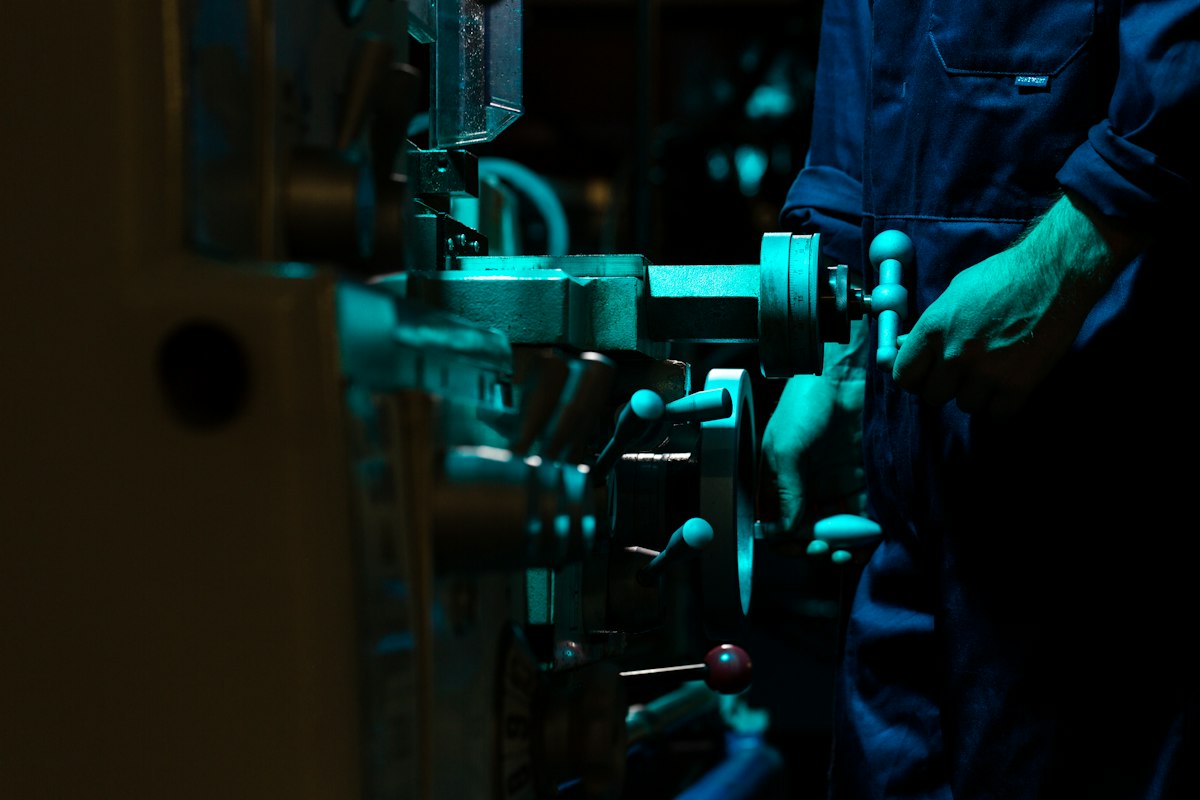

Medical-grade materials and tolerance capability
Matched shops run from raw bar to finished, passivated part. Material is purchased with mill certificates and stored with lot identification; nothing ships without traceability matching the certificate of conformance.
Ti Grade 5
Ti-6Al-4V to ASTM F136 when specified. Implants, surgical instruments, dental abutments.
Ti Grade 2
Commercially pure titanium (ASTM F67). Non-load-bearing implants and housings.
SS 316L
Implant-grade stainless. Electropolished and passivated per ASTM A967.
SS 17-4 PH
Surgical instrument bodies, hardenable to the required HRC range.
PEEK
Medical PEEK and PEEK-CF. Spinal cages, instrument handles, wear parts.
POM / PTFE
Diagnostic equipment housings, fluid-handling components, valve seats.
Tolerance & surface finish
| Linear (best) | ±0.005 mm |
| Linear (typical) | ±0.01 mm |
| Bore tolerance | H6 |
| Shaft tolerance | h5 |
| IT grade | IT5 |
| Surface roughness Ra (best) | 0.8 µm |
| Surface roughness Ra (typical) | 1.6 µm |
| GD&T | Flatness, profile, runout, concentricity, perpendicularity |
| Inspection | CMM, optical comparator, height gauge. FAI included |
| Secondary processes | Passivation, electropolish, anodizing Type II/III, laser marking |
Capability window of the partner shops. Every tolerance is confirmed against your drawing at quote stage. Grade designations and machining notes per alloy: medical-grade materials.
Component types we source
This is not a channel for simple 2D parts. The work that fits is what comes out of design reviews when an engineer says "this needs 5-axis and it needs to be traceable": small to medium components where dimensional integrity and documentation both matter.
Surgical instruments
Forceps, retractors, drivers, drill guides, cutting blocks. 17-4 PH and 316L bodies with crisp edges, controlled radii and surgical-grade finish requirements.
Orthopedic components
Bone screws, plate trial components, instrument cases, fixation hardware. Ti Grade 5 from ASTM F136 stock with full lot traceability for your regulatory file.
Dental & diagnostic
Dental abutments, scanner housings, fluid-handling manifolds, optical mounts. Mixed-material assemblies welcome: Ti, SS and PEEK in the same bill of materials.
Frequently asked questions
Do you have ISO 13485 certification?
No certification is claimed on this site. We are a sourcing service, not a factory. If your quality system requires an ISO 13485 or ISO 9001 certified supplier, say so in the RFQ: we only propose shops whose certificates you can review and verify with the issuing registrar yourself. Shops support documented FAI, mill certs traceable to heat number, lot traceability, PPAP Level 3 on request and customer audits.
Which medical-grade materials can be machined?
Titanium Grade 2 and Grade 5 (Ti-6Al-4V), stainless steel 316L and 17-4 PH, PEEK, POM and PTFE. All material comes with mill certificates traceable to heat number. Implant-grade titanium is supplied with ASTM F136 documentation when required.
What tolerances and surface finishes are achievable?
Linear best ±0.005 mm, typical ±0.01 mm. Bore tolerance to H6, shaft to h5, IT5 grade. Surface roughness Ra 0.8 µm best, 1.6 µm typical. Passivation per ASTM A967 and electropolish are available for 316L stainless components. Every tolerance is confirmed per drawing before you order.
Do you sign NDAs and protect customer drawings?
Yes. A mutual NDA is signed before any drawing review on request. Files are stored with access control, never shared with shops that are not assigned to your RFQ and never reused for other customers. Non-compete clauses are accepted.
What are typical lead times for medical components?
Prototypes of 1-10 pieces typically ship in 2 to 3 weeks including the FAI report. Small batches of 10-500 pieces run 3 to 5 weeks. We respond to RFQs within 24 business hours and provide DFM feedback during quoting at no charge.
Who is responsible for regulatory compliance of my device?
You are. The device maker owns design controls, verification and validation, biocompatibility, cleaning and sterilization validation, labeling and every regulatory submission. The machine shop makes parts to your drawing and quality requirements, and we source and coordinate. Nothing on this site is a regulatory approval.
Guides for device engineers and buyers
- Quality
Control Plans and PFMEA for Machined Medical Parts
PFMEA machined parts explained for medical buyers: process steps, severity and detection, control plan columns, document ownership and a worked bore example.
- Materials
Cobalt-Chrome vs Titanium for Orthopedic Components
Cobalt chrome vs titanium implants compared for machined parts: stiffness, wear, density, ASTM F1537 and F136, machining difficulty, finishing and cost.
- Quality
Cleaning and Packaging Machined Medical Parts Before Shipment
Medical parts cleaning packaging explained: degreasing, ultrasonic wash, drying, residue checks, bagging and labels, plus what the buyer must still validate.
Send your drawing, quote within 24 business hours
Upload STEP, PDF or DWG. NDA before review on request. We reply with the matched shop, itemized pricing, lead time and DFM feedback. Need more fields (finish, documents, NDA)? Use the full RFQ form.